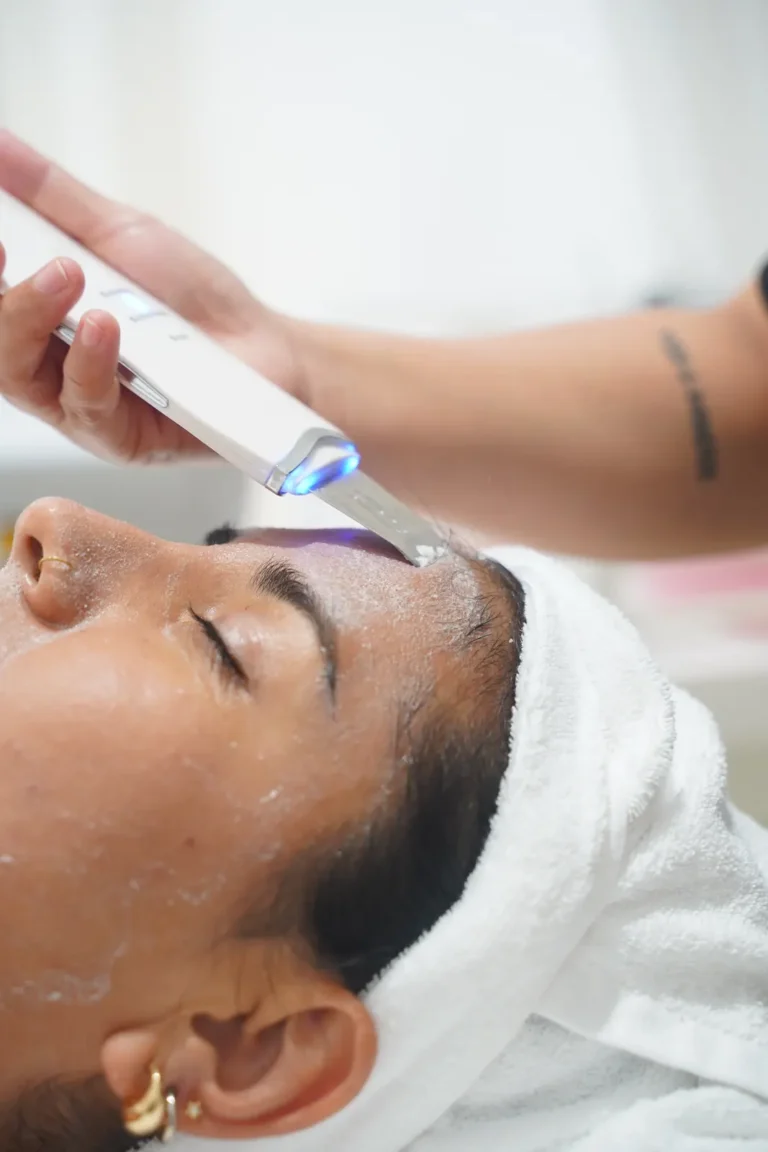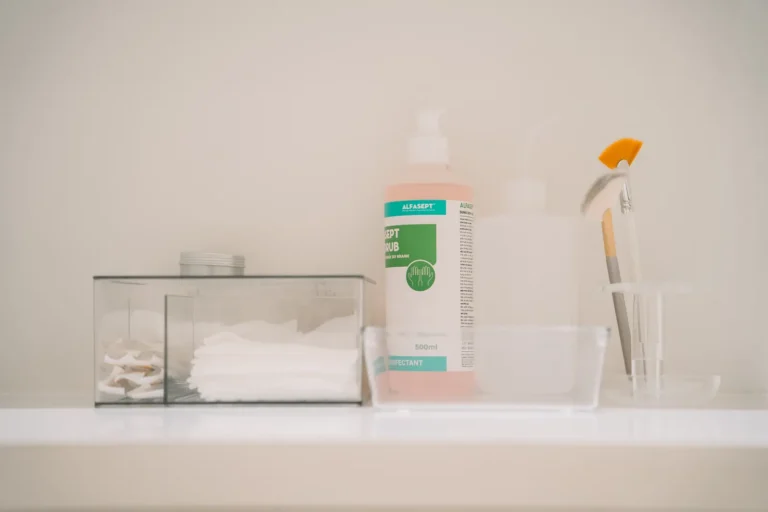

facial spa — Facial Spa: How to Choose a Treatment That Fits Your Skin
facial spa should be approached through the actual starting condition, a clear goal and the ability to maintain aftercare. This guide explains the process, useful questions and signs of responsible care.
A suitable facial does not begin with a package name. It begins by understanding what the skin needs today, how it may respond and which step should come first.
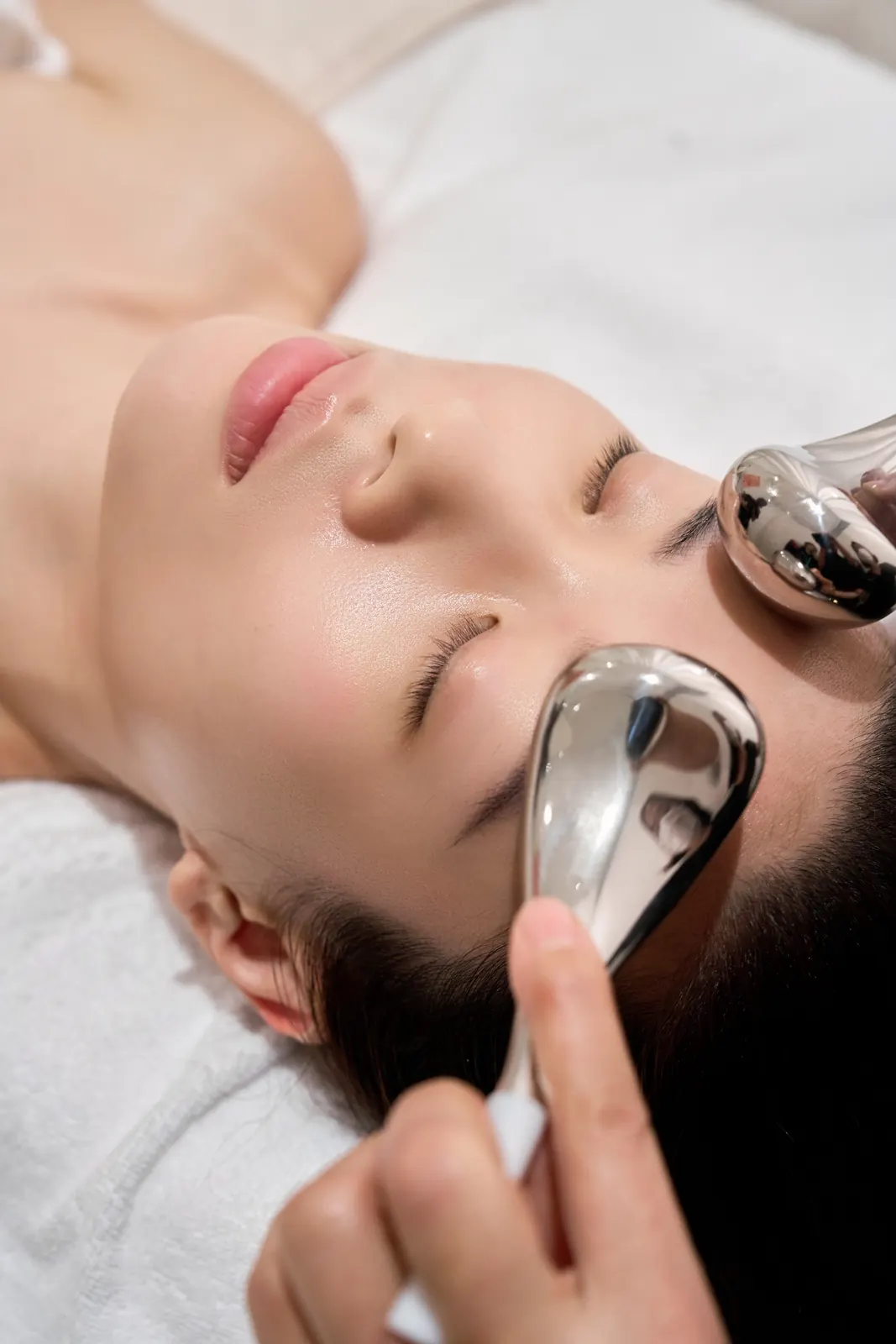
What is a facial spa?
A facial spa provides structured facial care rather than surface relaxation alone. When researching facial spa, place this information in the context of the actual skin condition or guest experience rather than treat it as a universal rule. The starting point, home routine, recent treatment, environment and ability to maintain aftercare can all change the direction. Advice becomes useful when it explains why a step fits the present moment instead of presenting the same answer to everyone.
Review how the studio assesses skin, explains the goal and follows the response. The principle throughout Facial Spa: How to Choose a Treatment That Fits Your Skin is to understand first and choose second. Record the current concern, recent changes and questions that need an answer. This preparation keeps consultation focused, limits product overlap and avoids choosing only from a service name, a before-and-after photograph or pressure for a fast result.
For What is a facial spa?, turn the information into a short checklist covering the goal, current condition, previous attempts and available aftercare. When these four points are clear, the specialist can identify what should be prioritized and what can wait. The guest can also judge whether the recommendation responds to an individual need or simply repeats a prepared sequence.
Begin with the current skin condition
Dry, oily, sensitive or congestion-prone skin may need a different order of care. This matters when evaluating facial spa because the same goal may require a different sequence. Stable skin may be considered differently from skin that has just increased active ingredients, completed a peel or developed stinging. A professional choice should not be separated from the full routine and the way the skin has behaved during the preceding weeks.
Prepare the home routine, recent reactions and previous treatments for a relevant consultation. Ask for the purpose, level of intervention, review period and reasons a plan might change. A useful plan describes not only what happens during the appointment but also preparation, aftercare and signs that should be reported. This transparency gives the guest more control without turning general guidance into an absolute promise.
When considering Begin with the current skin condition, review the connection between studio guidance and the home routine. If the two conflict or several variables change at once, follow-up becomes less reliable. A practical recommendation identifies what can continue, what should pause and when to reassess instead of focusing only on the sensation experienced during the visit.
Separate foundational care from treatment
Cleansing, hydration and barrier support differ from a more active treatment. Within the subject of facial spa, this distinguishes purposeful care from a sequence repeated by habit. Step count, duration and price do not automatically establish suitability. Value comes from the information collected, the reasoning behind each step and the ability to adjust when the observed response differs from expectations.
Stabilize the starting condition before adding intensity when recovery capacity is uncertain. Progress can be reviewed through comfort, photographs taken in comparable lighting and the ease of maintaining the routine. Several variables do not need to change at once. Reasoned adjustments, enough observation time and a clear contact channel create more reliable information for the next consultation.
For Separate foundational care from treatment, ask what will count as progress and what would indicate a need to change direction. The answer should be specific without becoming absolute because response still depends on the starting condition, habits and consistency. Agreeing on review criteria in advance reduces expectations based on a temporary feeling or comparison with another person.
Common facial treatment groups
A facial may focus on hydration, calming support, acne-prone skin, surface renewal or a bespoke plan. For facial spa, this is not a secondary detail but part of a responsible decision. Skin can change with weather, hormones, sleep, stress and current products. One appointment shows one point in time, so direct observation should be considered together with reaction history and longer-term goals before a conclusion is made.
The service name is only a starting point; sequence and intensity determine suitability. Persistent symptoms, increasing pain, open injury or a concern outside aesthetic care should receive appropriate medical assessment. A responsible studio recognizes its limits, postpones a service when necessary and does not replace consultation with sales pressure. This is also an important criterion when comparing providers.
The subject of Common facial treatment groups should also be considered alongside daily commitments and realistic aftercare capacity. An attractive option may still be unsuitable when its recovery needs cannot be met at that time. Adjusting the schedule or beginning with a gentler step does not reduce the value of the plan; it makes correct follow-through more likely.

Personalization is not adding every step
A long appointment with many products does not automatically create a better choice. When researching facial spa, place this information in the context of the actual skin condition or guest experience rather than treat it as a universal rule. The starting point, home routine, recent treatment, environment and ability to maintain aftercare can all change the direction. Advice becomes useful when it explains why a step fits the present moment instead of presenting the same answer to everyone.
Every step needs a reason, a purpose and a way to review the response. The principle throughout Facial Spa: How to Choose a Treatment That Fits Your Skin is to understand first and choose second. Record the current concern, recent changes and questions that need an answer. This preparation keeps consultation focused, limits product overlap and avoids choosing only from a service name, a before-and-after photograph or pressure for a fast result.
For Personalization is not adding every step, turn the information into a short checklist covering the goal, current condition, previous attempts and available aftercare. When these four points are clear, the specialist can identify what should be prioritized and what can wait. The guest can also judge whether the recommendation responds to an individual need or simply repeats a prepared sequence.
Prepare before the facial appointment
Active ingredients, exfoliation, sun exposure and recent procedures can change sensitivity. This matters when evaluating facial spa because the same goal may require a different sequence. Stable skin may be considered differently from skin that has just increased active ingredients, completed a peel or developed stinging. A professional choice should not be separated from the full routine and the way the skin has behaved during the preceding weeks.
Do not intensify treatment before the visit and disclose what is currently in use. Ask for the purpose, level of intervention, review period and reasons a plan might change. A useful plan describes not only what happens during the appointment but also preparation, aftercare and signs that should be reported. This transparency gives the guest more control without turning general guidance into an absolute promise.
When considering Prepare before the facial appointment, review the connection between studio guidance and the home routine. If the two conflict or several variables change at once, follow-up becomes less reliable. A practical recommendation identifies what can continue, what should pause and when to reassess instead of focusing only on the sensation experienced during the visit.
What happens during a facial?
The guest should understand the steps, expected sensations and reasons for an adjustment. Within the subject of facial spa, this distinguishes purposeful care from a sequence repeated by habit. Step count, duration and price do not automatically establish suitability. Value comes from the information collected, the reasoning behind each step and the ability to adjust when the observed response differs from expectations.
Report unusual discomfort instead of enduring it simply to complete the original sequence. Progress can be reviewed through comfort, photographs taken in comparable lighting and the ease of maintaining the routine. Several variables do not need to change at once. Reasoned adjustments, enough observation time and a clear contact channel create more reliable information for the next consultation.
For What happens during a facial?, ask what will count as progress and what would indicate a need to change direction. The answer should be specific without becoming absolute because response still depends on the starting condition, habits and consistency. Agreeing on review criteria in advance reduces expectations based on a temporary feeling or comparison with another person.
Aftercare following a facial
The result also depends on gentle cleansing, suitable hydration and consistent sun protection. For facial spa, this is not a secondary detail but part of a responsible decision. Skin can change with weather, hormones, sleep, stress and current products. One appointment shows one point in time, so direct observation should be considered together with reaction history and longer-term goals before a conclusion is made.
Restart active ingredients as advised and avoid home peeling or scrubbing before the skin is stable. Persistent symptoms, increasing pain, open injury or a concern outside aesthetic care should receive appropriate medical assessment. A responsible studio recognizes its limits, postpones a service when necessary and does not replace consultation with sales pressure. This is also an important criterion when comparing providers.
The subject of Aftercare following a facial should also be considered alongside daily commitments and realistic aftercare capacity. An attractive option may still be unsuitable when its recovery needs cannot be met at that time. Adjusting the schedule or beginning with a gentler step does not reduce the value of the plan; it makes correct follow-through more likely.
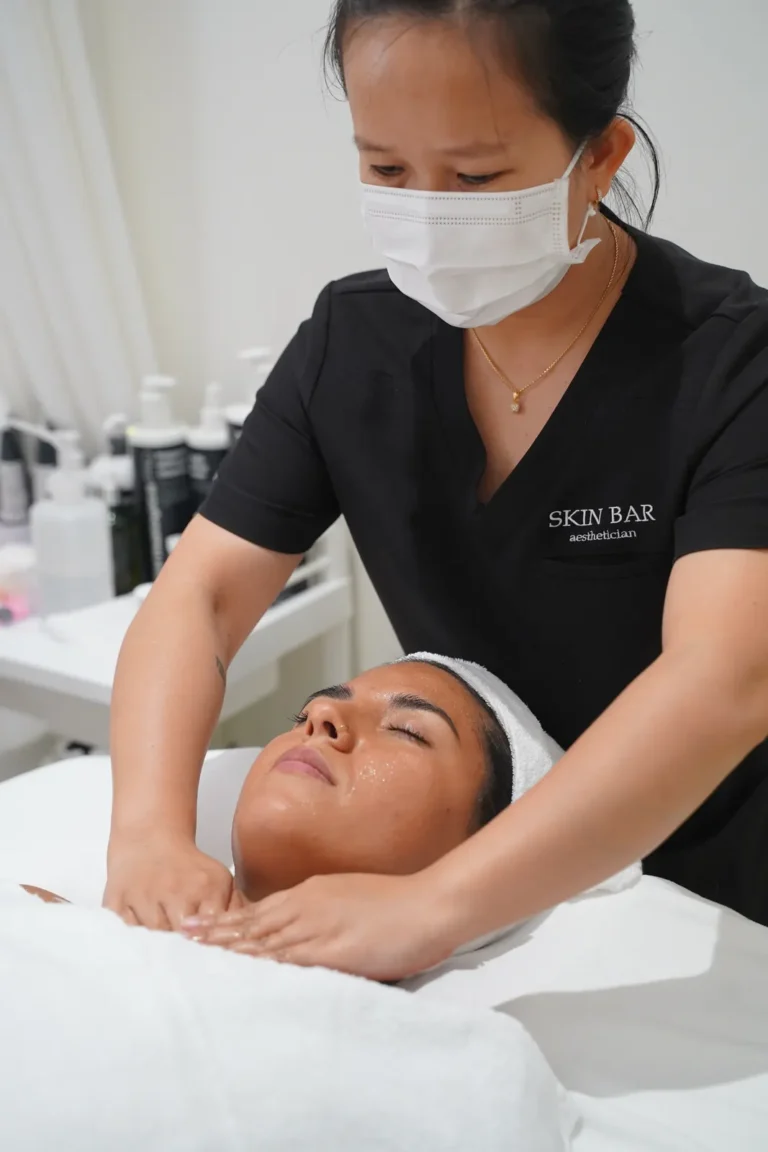
Review results with context
A photograph immediately after a session may reflect lighting, hydration and temporary effects. When researching facial spa, place this information in the context of the actual skin condition or guest experience rather than treat it as a universal rule. The starting point, home routine, recent treatment, environment and ability to maintain aftercare can all change the direction. Advice becomes useful when it explains why a step fits the present moment instead of presenting the same answer to everyone.
Observe comfort, stability and comparable photographs across reasonable review points. The principle throughout Facial Spa: How to Choose a Treatment That Fits Your Skin is to understand first and choose second. Record the current concern, recent changes and questions that need an answer. This preparation keeps consultation focused, limits product overlap and avoids choosing only from a service name, a before-and-after photograph or pressure for a fast result.
For Review results with context, turn the information into a short checklist covering the goal, current condition, previous attempts and available aftercare. When these four points are clear, the specialist can identify what should be prioritized and what can wait. The guest can also judge whether the recommendation responds to an individual need or simply repeats a prepared sequence.
Price, duration and a suggested course
Price should be understood together with scope, time, supportive products and follow-up. This matters when evaluating facial spa because the same goal may require a different sequence. Stable skin may be considered differently from skin that has just increased active ingredients, completed a peel or developed stinging. A professional choice should not be separated from the full routine and the way the skin has behaved during the preceding weeks.
Ask for costs before starting and do not assume the longest package is the default choice. Ask for the purpose, level of intervention, review period and reasons a plan might change. A useful plan describes not only what happens during the appointment but also preparation, aftercare and signs that should be reported. This transparency gives the guest more control without turning general guidance into an absolute promise.
When considering Price, duration and a suggested course, review the connection between studio guidance and the home routine. If the two conflict or several variables change at once, follow-up becomes less reliable. A practical recommendation identifies what can continue, what should pause and when to reassess instead of focusing only on the sensation experienced during the visit.
Signs of a responsible facial spa
Clear consultation, appropriate scope and no absolute promises are important signals. Within the subject of facial spa, this distinguishes purposeful care from a sequence repeated by habit. Step count, duration and price do not automatically establish suitability. Value comes from the information collected, the reasoning behind each step and the ability to adjust when the observed response differs from expectations.
A responsible studio should postpone care or recommend medical assessment when needed. Progress can be reviewed through comfort, photographs taken in comparable lighting and the ease of maintaining the routine. Several variables do not need to change at once. Reasoned adjustments, enough observation time and a clear contact channel create more reliable information for the next consultation.
For Signs of a responsible facial spa, ask what will count as progress and what would indicate a need to change direction. The answer should be specific without becoming absolute because response still depends on the starting condition, habits and consistency. Agreeing on review criteria in advance reduces expectations based on a temporary feeling or comparison with another person.
How to begin at SKIN BAR
SKIN BAR works by appointment and begins by listening to the current skin condition. For facial spa, this is not a secondary detail but part of a responsible decision. Skin can change with weather, hormones, sleep, stress and current products. One appointment shows one point in time, so direct observation should be considered together with reaction history and longer-term goals before a conclusion is made.
Guests can start with a personalized skin plan or book a consultation before choosing treatment. Persistent symptoms, increasing pain, open injury or a concern outside aesthetic care should receive appropriate medical assessment. A responsible studio recognizes its limits, postpones a service when necessary and does not replace consultation with sales pressure. This is also an important criterion when comparing providers.
The subject of How to begin at SKIN BAR should also be considered alongside daily commitments and realistic aftercare capacity. An attractive option may still be unsuitable when its recovery needs cannot be met at that time. Adjusting the schedule or beginning with a gentler step does not reduce the value of the plan; it makes correct follow-through more likely.
External reading and next steps
For independent background reading, see skin care guidance from the American Academy of Dermatology: AAD Skin Care Basics.
Continue reading at SKIN JOURNAL
Review personalized services, start a skin plan, explore curated skincare or book a consultation.
When considering facial spa, prioritize clear information, measured choices and the ability to follow progress. This article is educational and does not replace medical diagnosis or treatment.
Understand the skin first, then choose the treatment.
A short record of comfort, products and daily habits can make the next review more useful. It does not need to be extensive. Focus on what changed, when it appeared and what happened immediately beforehand.