It’s unsettling to see breakouts show up right after a facial, especially when the whole point was clearer skin. But breakouts after a facial aren’t always a bad sign. This article covers why this happens, how to tell a normal reaction apart from real irritation, and what to do next.
What does it mean when skin breaks out after a facial?
After a facial, especially one with deep cleansing or a new active ingredient, some people notice a few small breakouts appearing within 1-3 days. This can be “purging”: skin speeding up the process of clearing out congestion that was already sitting beneath the surface, just not yet visible.
Purging is different from a facial “causing” entirely new breakouts. It’s closer to speeding up a process that was already going to happen, just compressed into a shorter window.
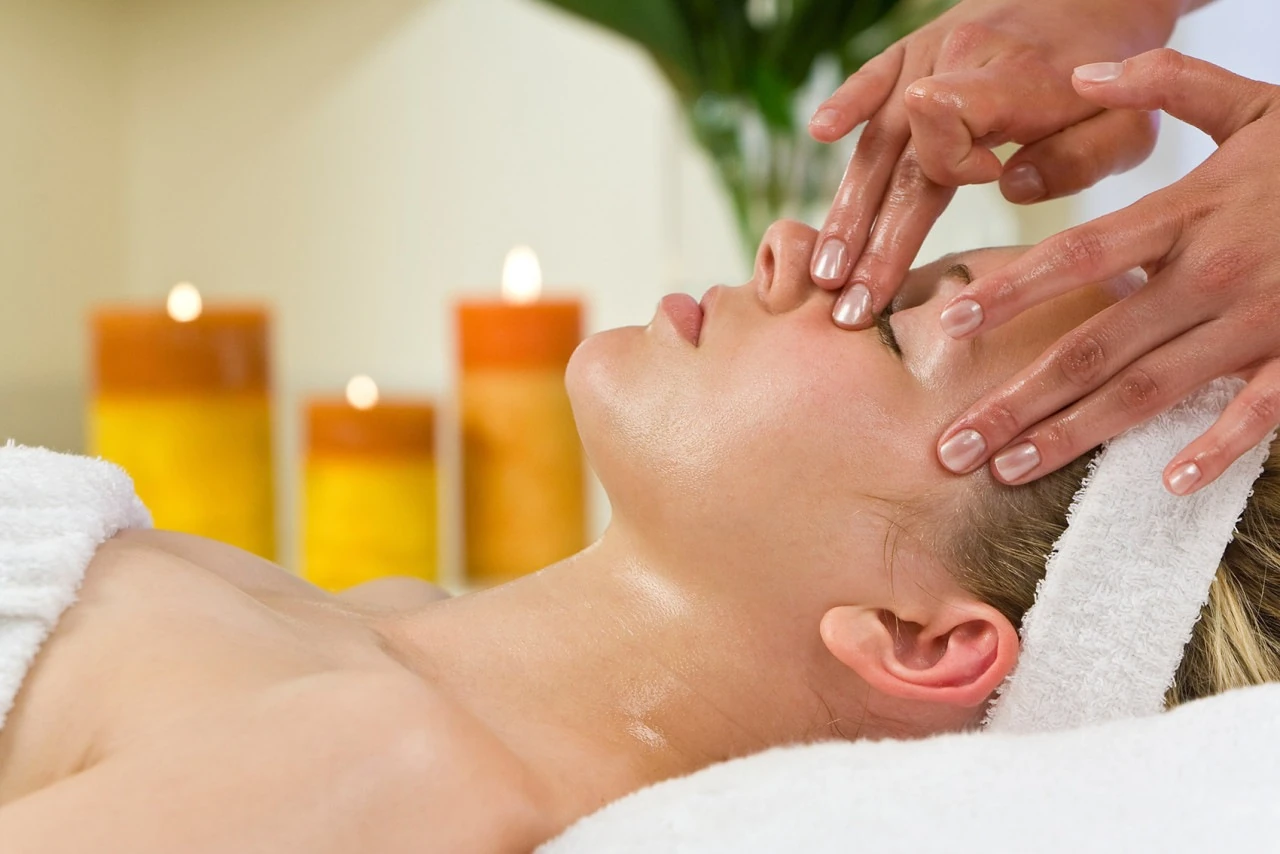
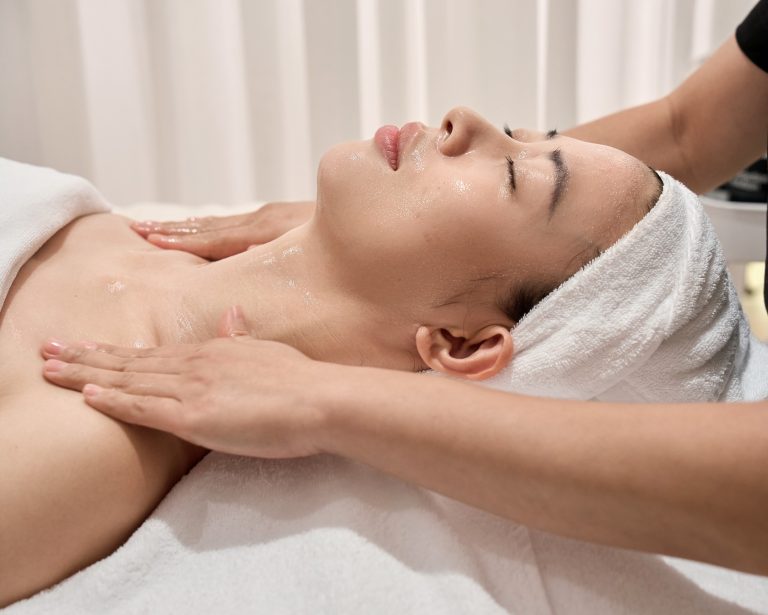
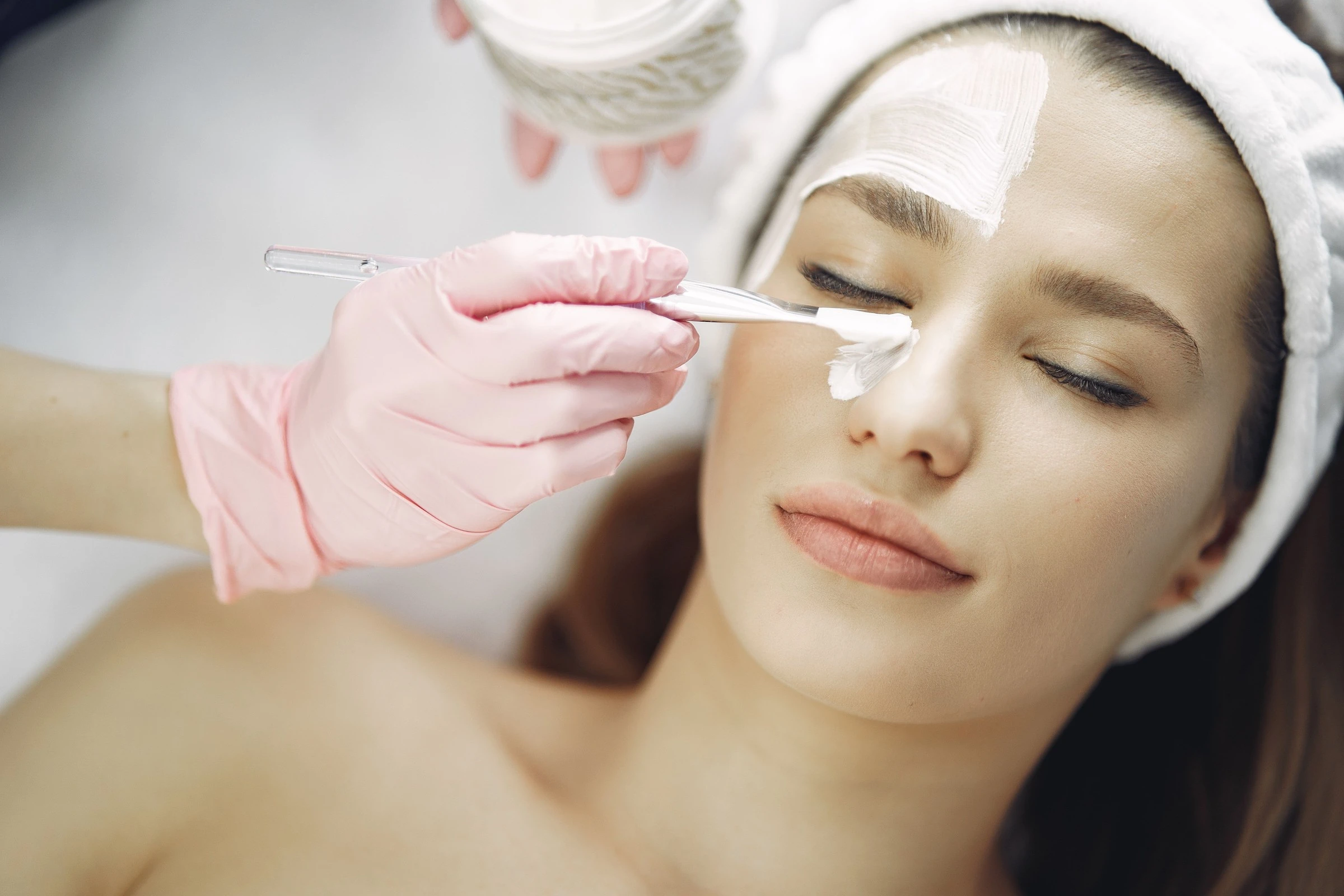
A facial massage step at the spa, one step that can relate to breakouts after a facial
Massage and cleansing during a facial can bring excess oil and congestion to the surface, one reason for breakouts after a facial or purging in breakout-prone skin.
Why does a facial sometimes trigger breakouts?
Breakouts after a facial usually don’t come from a single cause. Here are the most common possibilities, so you can decide whether to keep watching it or adjust your approach.
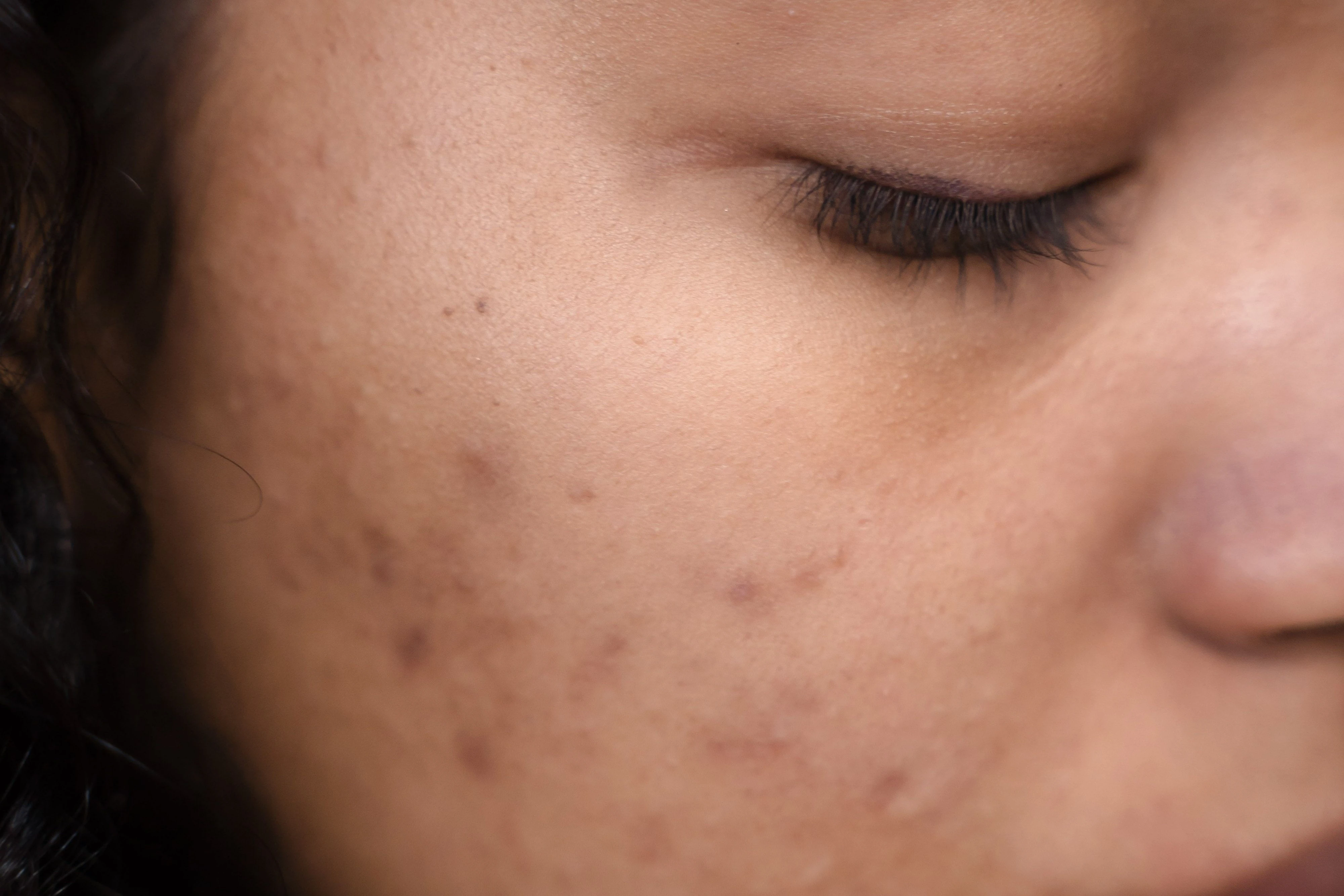
Close-up of a breakout-prone skin area, a common sight after a facial
Breakouts after a facial can show up in different forms, from tiny hidden bumps to a few mildly inflamed spots. (Photo source: Pexels)
Skin is “purging”
Exfoliation or extraction can speed up the process of pushing congestion to the surface, so spots that were already quietly forming beneath the skin show up sooner than they otherwise would.
Hidden congestion is being cleared
Congestion sitting beneath the surface sometimes needs to rise up before skin actually becomes clearer. This is a normal part of deep cleansing, not a sign skin is getting worse.
The skin barrier is temporarily more sensitive
After a facial, your skin’s protective barrier can be more sensitive than usual for a few days. During this window, avoid touching your face and use clean towels and pillowcases to limit extra contact.
Skin is adjusting
When you start a new treatment or a product with actives skin isn’t used to, it needs time to adjust. A few small breakouts during this window aren’t necessarily a sign skin is getting worse, just a temporary adjustment response.
The facial may not be the cause at all
Hormones, stress, diet, and your skin’s natural cycle can also trigger breakouts, coinciding with a facial by timing alone rather than being caused by it.
How is purging different from a real reaction or irritation?
This is where most confusion happens. Purging tends to show up where skin already breaks out most often, usually clears faster (typically within 1-2 weeks), and doesn’t come with prolonged itching or stinging.
On the other hand, if breakouts appear in areas that don’t usually have them, come with redness or itching, or don’t improve, instead spreading further after a few weeks, this is more likely skin reacting or getting irritated by a product or step, not typical purging.
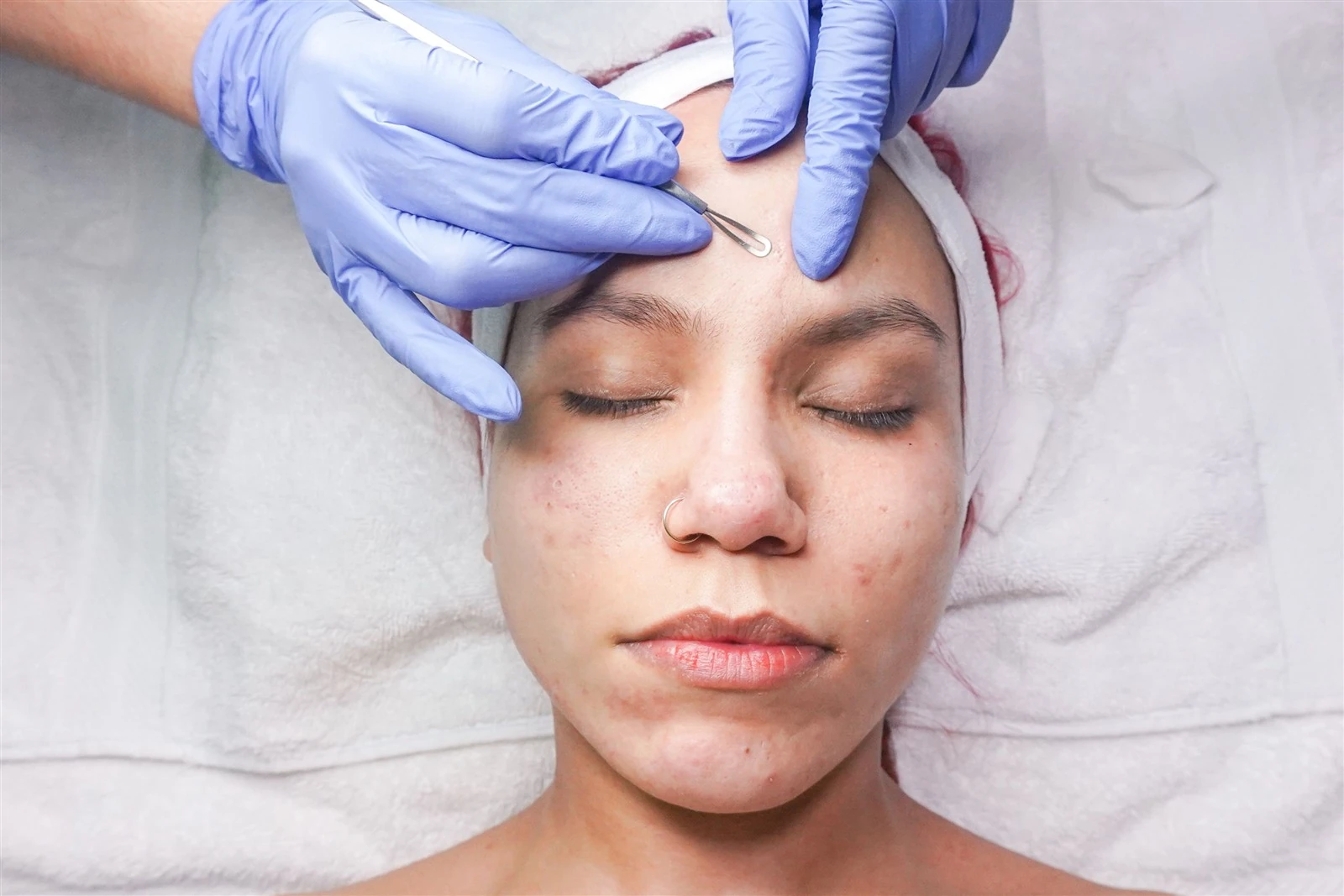
A specialist treating a breakout spot with control, rather than working over the whole face
When breakouts after a facial need intervention, treating the right spot with control matters more than working over the whole face. (Photo source: Pexels)
Telling purging apart from an allergic reaction
There’s a third possibility worth knowing about: skin reacting allergically to a specific ingredient in a new product, which is neither purging nor a typical breakout. The usual signs are small bumps appearing broadly across an area all at once, noticeable itching, and a fairly quick onset after using the product, different from purging, which tends to concentrate where skin already breaks out and shows up as individual spots rather than a widespread rash.
If an allergic reaction seems likely, stop using the suspected product right away and monitor how skin responds, rather than waiting it out the way you might with purging, the two need different next steps.
Does everyone experience purging?
No. Purging depends on your skin’s current condition and what’s changed recently, someone with little hidden congestion may not purge noticeably even after the same facial or the same new product, while someone with more buildup beneath the surface might. It isn’t a sign that a treatment is “working better” for one person than another, just a difference in what was already there before the session.
Which ingredients are more likely to trigger purging?
Actives that speed up cell turnover are the usual cause: AHA/BHA exfoliants, retinoids, and in some cases vitamin C serums introduced for the first time. This is also true of professional steps like deep cleansing or extraction, which is why starting a new active or a new deep-cleansing facial around the same time can make it hard to tell which one triggered the reaction, another reason to introduce changes one at a time when possible.
Caring for your skin the right way while it’s breaking out
How you care for your skin during this window has a real effect on whether it settles quickly or not, and can be the difference between skin clearing on its own or being left with marks and scarring.
Watch and observe
The single most important thing is not to pick or squeeze breakouts yourself, this tends to spread inflammation and leaves longer-lasting marks or scarring than letting skin resolve on its own.
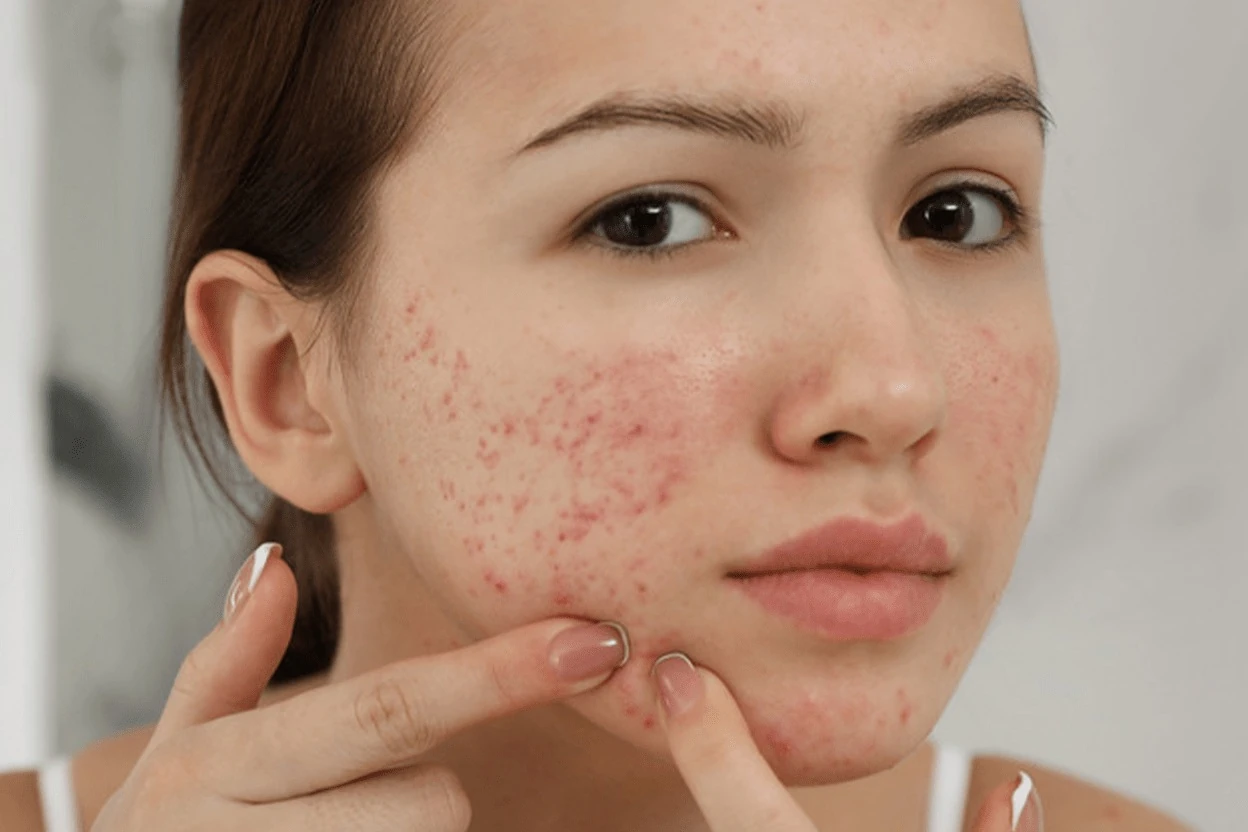
Do not squeeze breakouts after a facial, which can cause inflammation, dark marks and scarring in breakout-prone skin
Do not squeeze breakouts after a facial or during purging: aggressive picking at breakout-prone skin tends to spread inflammation and leave marks and scarring.
A calming step supporting skin as it recovers from breakouts after a facial
Gentle calming and hydration is not a step to skip while dealing with breakouts after a facial. (Photo source: Pexels)
Beyond that, keep a gentle hydration routine, use non-comedogenic products, and stay consistent with sun protection, even while skin is purging. Give it about 1-2 weeks to observe: if breakouts are gradually improving, that’s usually a good sign skin is settling on its own.
When to consult a specialist
If breakouts don’t improve after 2-3 weeks, spread to new areas, or come with signs of deeper inflammation like prolonged swelling and pain, it’s time to talk to a specialist directly rather than continuing to self-manage. Getting an accurate read on what’s happening helps you choose the right direction instead of losing time on products that aren’t suited to it.
Severe, deeply inflamed, or possibly infected breakouts should be seen by a dermatologist before considering any aesthetic treatment.
A quick summary
Breakouts after a facial aren’t automatically a red flag, but they aren’t automatically harmless either. The difference comes down to location, duration, and whether things are improving or spreading. Watching for those three signals, avoiding the urge to pick at anything yourself, and getting a professional read when it isn’t clear are the three things that matter most while your skin sorts itself out.
Final thoughts
If you’re not sure whether your skin is purging or genuinely reacting, you can start with a personalized skin plan for a suggested direction. Or explore the Acne Facial service page and book a consultation.
External reading
For independent background reading on acne-prone skin care, see the American Academy of Dermatology: https://www.aad.org/public/everyday-care/skin-care-basics
Continue reading at SKIN JOURNAL
Explore our personalized skin treatments, start a skin plan, or book a consultation.
Breakouts after a facial aren’t always a bad sign, what matters is reading them correctly before deciding what to do.