Seeing breakouts after a facial can be unsettling, especially when you booked the treatment hoping for clearer skin. But spots that appear afterward do not all have the same cause. What happened during the facial, where the spots appear, and whether your skin also feels itchy, sore or irritated can help you decide what to do next.
Why might skin break out after a facial?
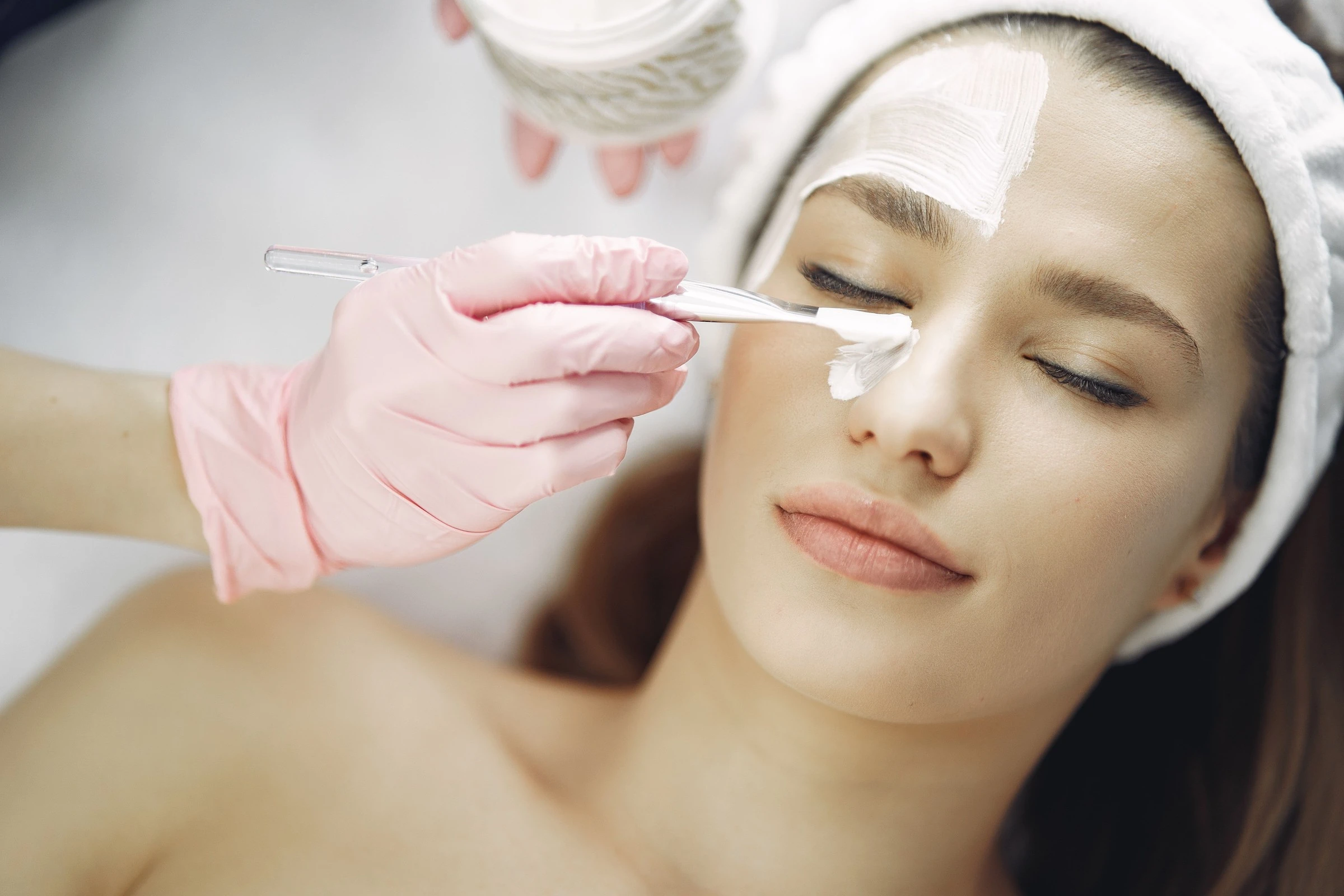
A facial may include cleansing, exfoliation, extractions and new skincare products. The timing alone cannot tell you whether the facial caused the breakout or whether your skin is “purging.”
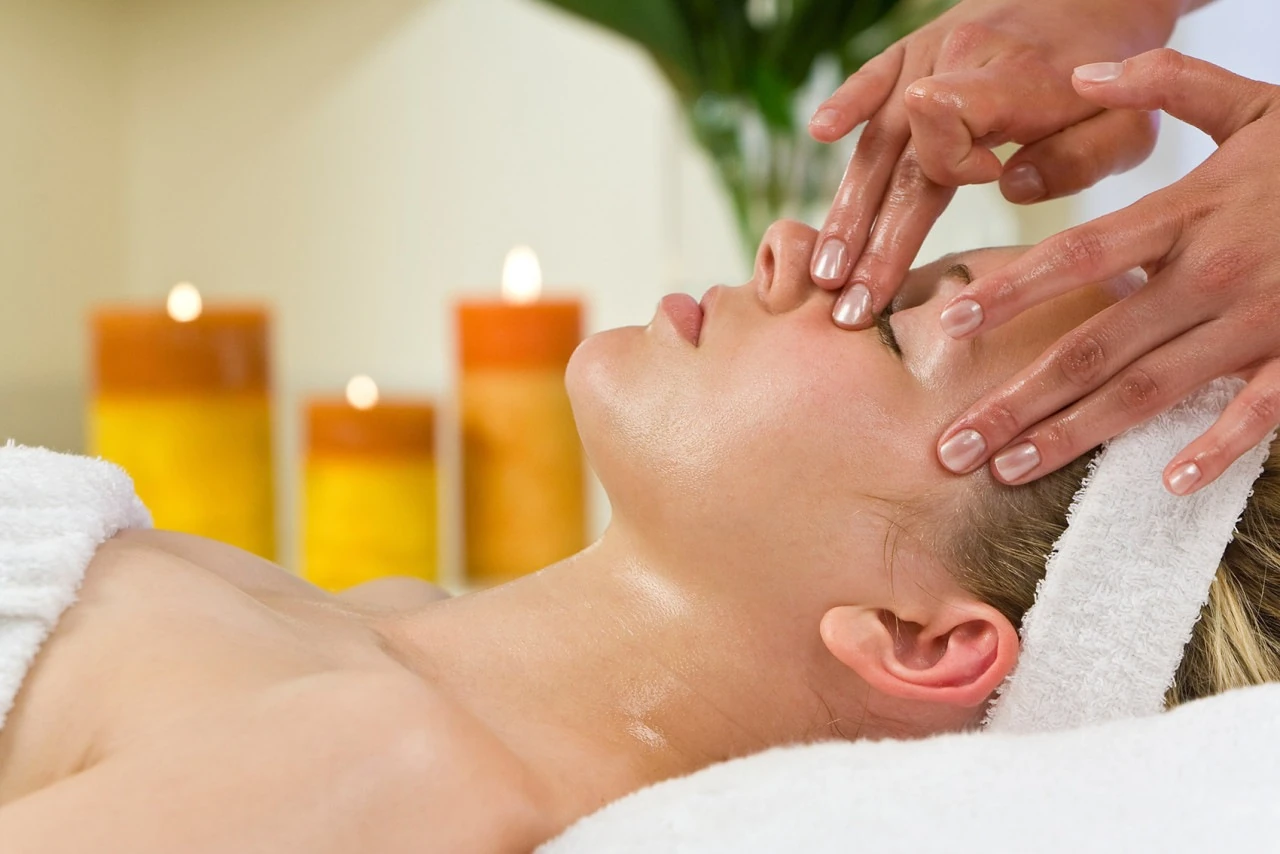
The steps and products used during your facial are useful details to review if new spots appear afterward.
Exfoliation or extractions
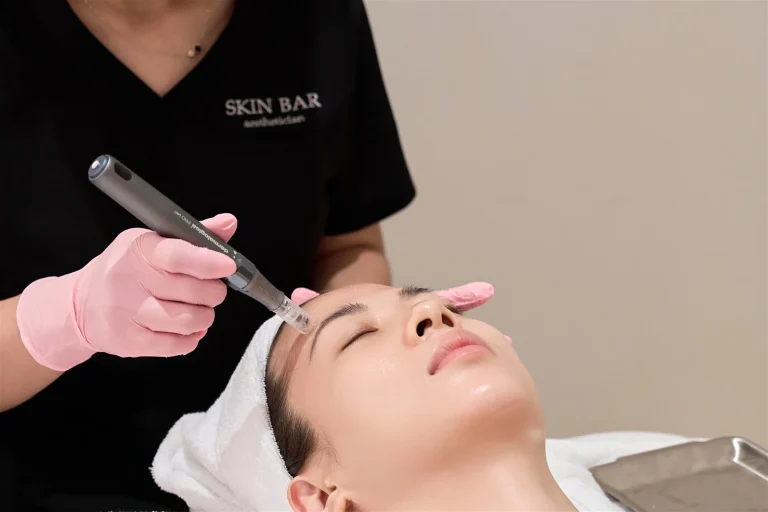
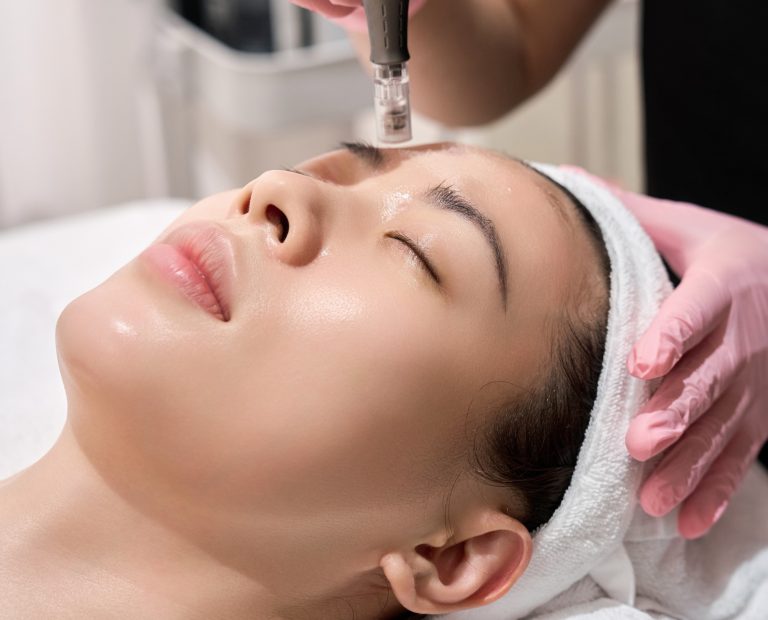
If the facial included an exfoliating active, spots may become more noticeable in areas already prone to clogged pores. People sometimes call this “purging.” The term is mainly used when someone starts an ingredient that increases skin cell turnover, such as a retinoid or certain exfoliating acids. It should not be used to explain every breakout after a facial. Skin that has just undergone extractions may also look red or feel temporarily sensitive from the procedure itself.
A product or step that does not suit your skin
A new product, strong exfoliation or too much friction may irritate the skin. Some products may also be a poor fit for acne-prone skin. If the new bumps come with itching, stinging, redness or a hot feeling, consider irritation or contact dermatitis rather than assuming it is purging.
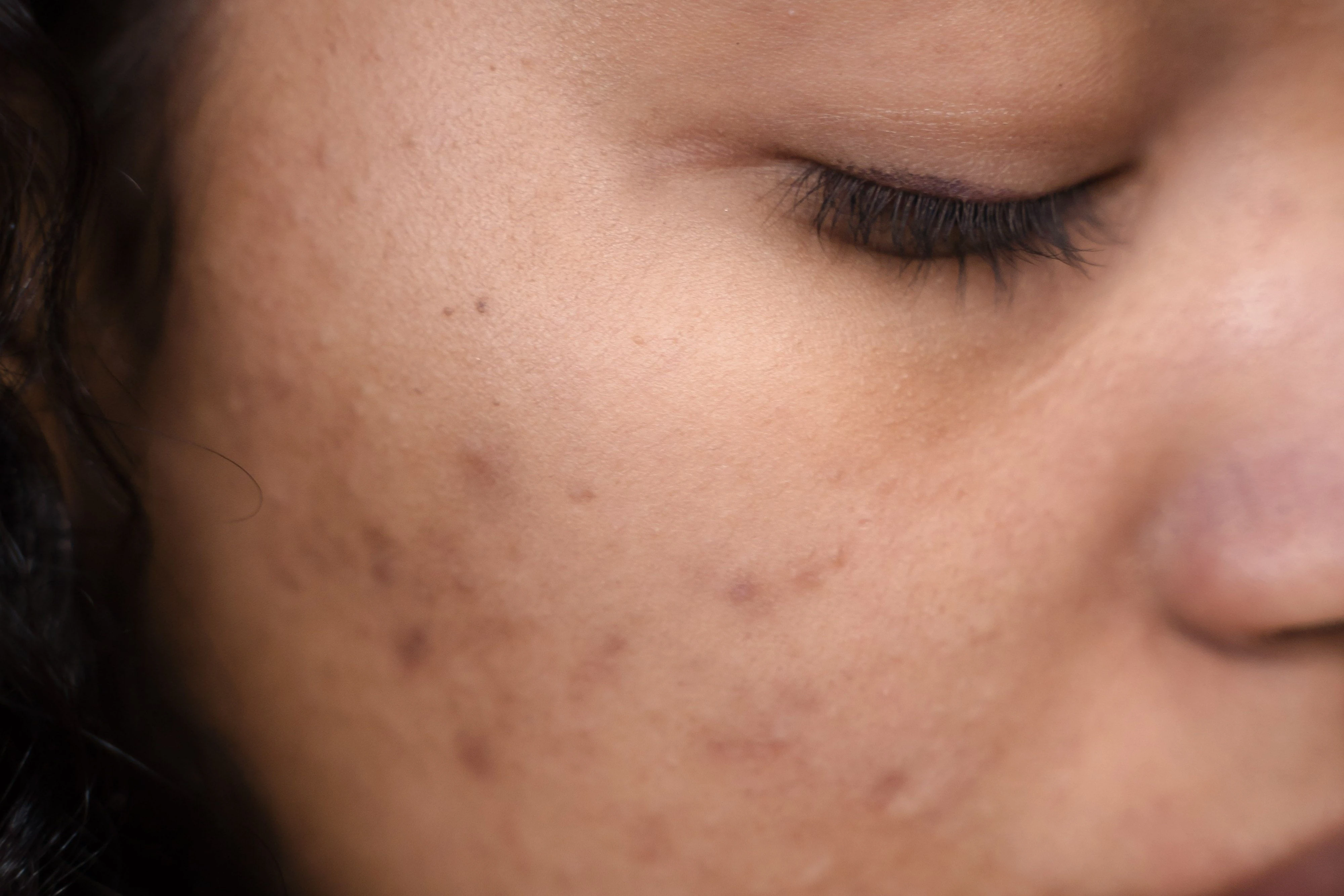
Notice where new spots appear and how the surrounding skin feels. These details can help when you speak with a specialist.
A breakout that happened around the same time
Some spots may have started forming before your appointment and become visible afterward. Hormonal changes, stress and changes to your skincare routine can also play a role. Without knowing exactly which steps and products were used, it is difficult to identify the cause from a few spots alone.
How can you tell purging from irritation or an allergic reaction?
If you recently started an exfoliating or acne treatment, and spots appear mainly where you usually break out without significant itching or stinging, purging is one possibility. These clues are not a reliable way to diagnose it on your own, and purging is not something everyone experiences.
Redness, burning, itching, swelling or a rash in areas that do not usually break out can point toward irritation or contact dermatitis. An allergic reaction to an ingredient may also cause an itchy rash, swelling or blisters. Irritation and allergy can look similar, so seek a professional assessment if symptoms are pronounced or persist.
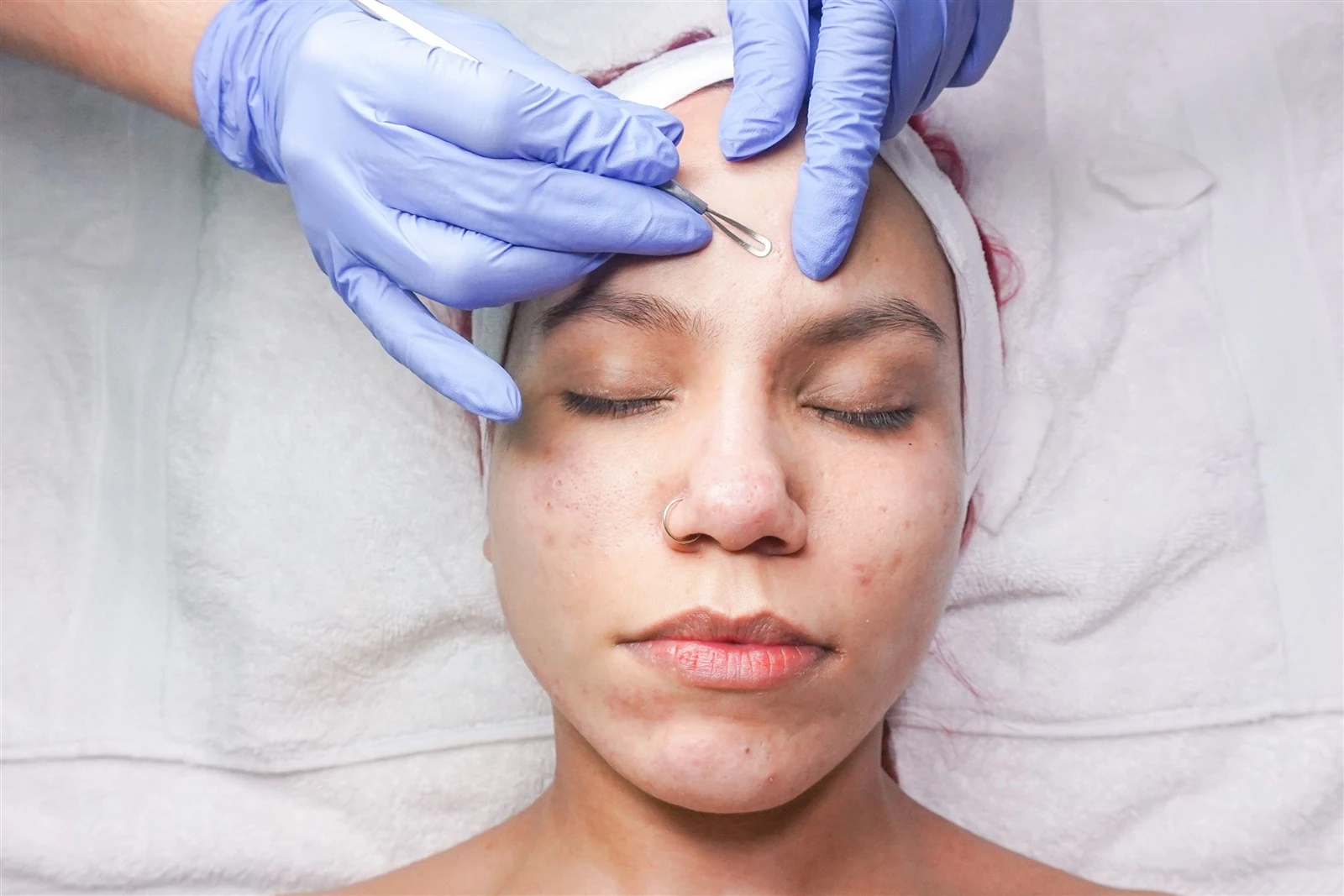
Do not keep waiting for “purging” to pass if your skin becomes increasingly red, itchy, sore or swollen.
What should you do if you break out after a facial?
For the next few days, keep your routine simple and follow any aftercare instructions given at your appointment:
- Cleanse gently. Avoid scrubbing, picking or squeezing the spots.
- Use a moisturizer that suits your skin. If you are acne-prone, consider skincare products labeled “non-comedogenic” or “won’t clog pores.”
- Protect your skin from the sun. When outdoors, use a broad-spectrum sunscreen with SPF 30 or higher if your skin tolerates it, and follow any specific instructions if you had a peel.
- Avoid adding more exfoliants or strong actives while your skin feels red or sore. If you use prescription acne treatment, ask your prescribing clinician before changing how you use it.
- Note when the spots appeared, where they are, any symptoms you feel, and which products you used. This will make a follow-up conversation more useful.
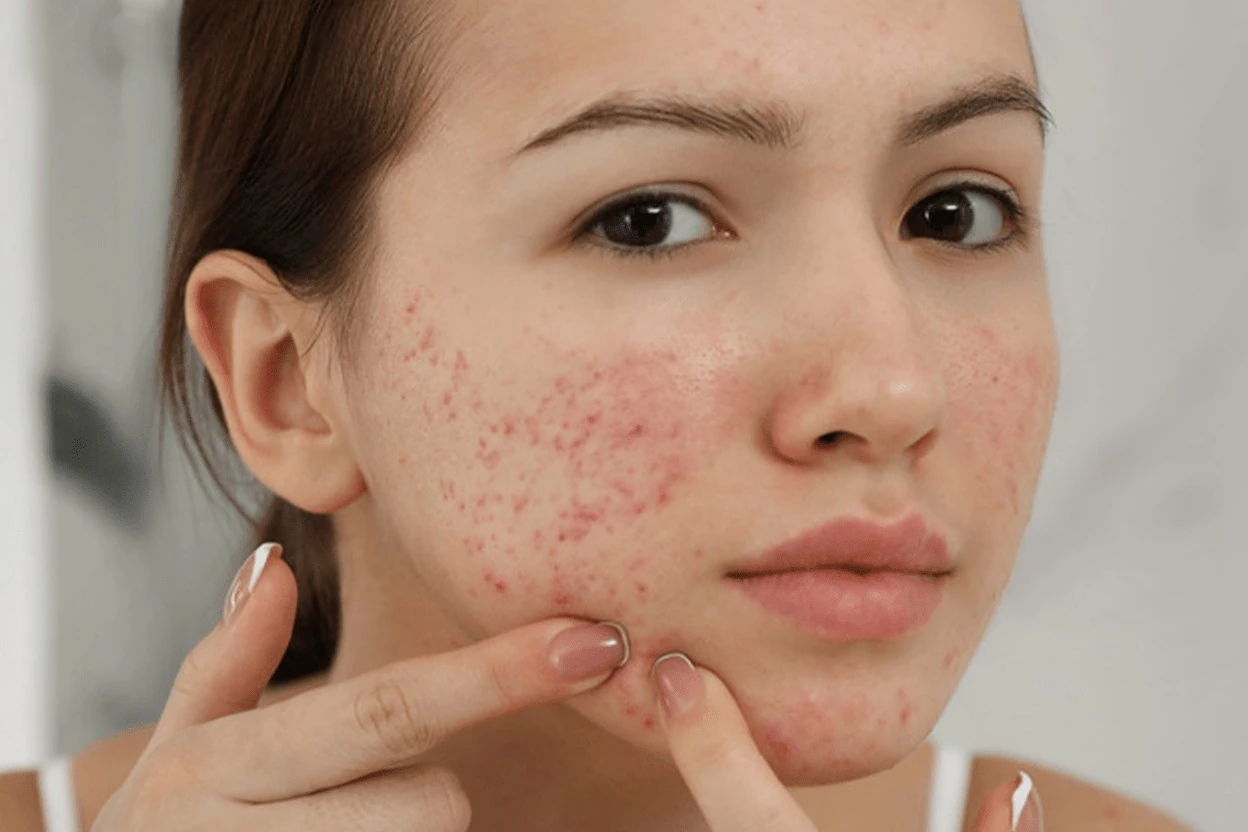
Picking at spots can prolong a breakout and increase the risk of dark marks or scarring.
Gentle cleansing, suitable moisturizer and sun protection can help while your skin feels sensitive.
When should you contact the spa or see a dermatologist?
Contact the spa if you are unsure which products or active ingredients were used, or if new spots keep appearing or spread instead of settling. If your skin is noticeably itchy, burning or swollen, or develops blisters, stop using any new product you suspect and see a dermatologist for an assessment. Deep, painful acne or signs of infection also warrant medical attention before considering another aesthetic treatment.
Final thoughts
Breakouts after a facial may relate to an active ingredient, a treatment step, a product that does not suit your skin, or a breakout that happened at the same time. Pay attention to your symptoms and care for your skin gently rather than assuming every new spot is purging.
If you would like guidance on your skin and suitable treatments, you can start a personalized skin plan, explore the Acne Facial service, or book a consultation.
References
- Cleveland Clinic: Facial Acids: Everything You Need To Know — exfoliating acids, purging and irritation.
- American Academy of Dermatology: Contact dermatitis signs and symptoms — symptoms of contact dermatitis.
- American Academy of Dermatology: Acne: Tips for managing — gentle acne care, avoiding picking and sun protection.